

The Complete 18 Month Size Chart for Your Toddler's Safety and Comfort
Navigating toddler clothing sizes can feel like you're aiming at a moving target, right? Generally, an 18-month size is designed for toddlers weighing between 24 and 28 pounds and standing about 30 to 32 inches tall.
Of course, these are just averages. The best way to get that perfect, comfortable fit is to take a quick measurement of your little one. It makes all the difference in keeping them safe and comfy as they explore the world, preventing skin irritation from clothes that are too tight or too loose.
Your Quick Reference 18 Month Size Chart
To take the guesswork out of your next shopping trip, we've put together this quick guide with the average measurements for an 18-month-old. Think of it as a solid starting point, because as we all know, every toddler grows at their own unique pace.
Using a chart isn't just about convenience; it's a matter of safety and quality. A 2019 survey actually found that 42% of parents struggle with getting the size right. Ill-fitting clothes can lead to everything from uncomfortable rashes to tripping hazards. Sticking to an accurate 18-month size chart helps you nail the fit from day one. For a broader look at sizing from the newborn stage all the way up, our comprehensive baby clothing size chart is a great resource.
Understanding Average Measurements
This table breaks down the typical measurements for an 18-month-old. The goal is to find clothes that give them room to wiggle and play without being so loose they become a tripping hazard. On the flip side, clothes that are too snug can be uncomfortable, restrict movement, and even cause painful skin irritation or heat rash.
Standard 18-Month-Old Measurement Averages
| Measurement Type | US (Inches/Pounds) | Metric (cm/kg) |
|---|---|---|
| Height | 30-32 inches | 76.2-81.3 cm |
| Weight | 24-28 pounds | 10.9-12.7 kg |
| Chest | 19-20 inches | 48.3-50.8 cm |
| Waist | 19.5-20.5 inches | 49.5-52.1 cm |
These numbers help you visualize how garments from brands like GuGuTon are designed to fit your growing toddler, ensuring their safety and comfort.
For instance, US sizing for an 18-month-old typically aligns with a European size 80. This is a handy tip to remember when you're shopping for international brands. You can find more detailed information on children's clothing conversions on KiwiSizing.com.
How to Measure Your Toddler Accurately
Let's be honest: getting a wriggly 18-month-old to stand still for measurements can feel like a mission impossible. The secret is to make it fast and fun. Grab a soft, flexible tailor's tape measure—the kind used for sewing—as a stiff metal one can be uncomfortable against their delicate skin and won't give you an accurate reading on a tiny, moving body.
Think of it as a quick, three-step game: measure your toddler, compare those numbers to the size chart, and then you're ready to find the perfect fit that promotes both safety and well-being.
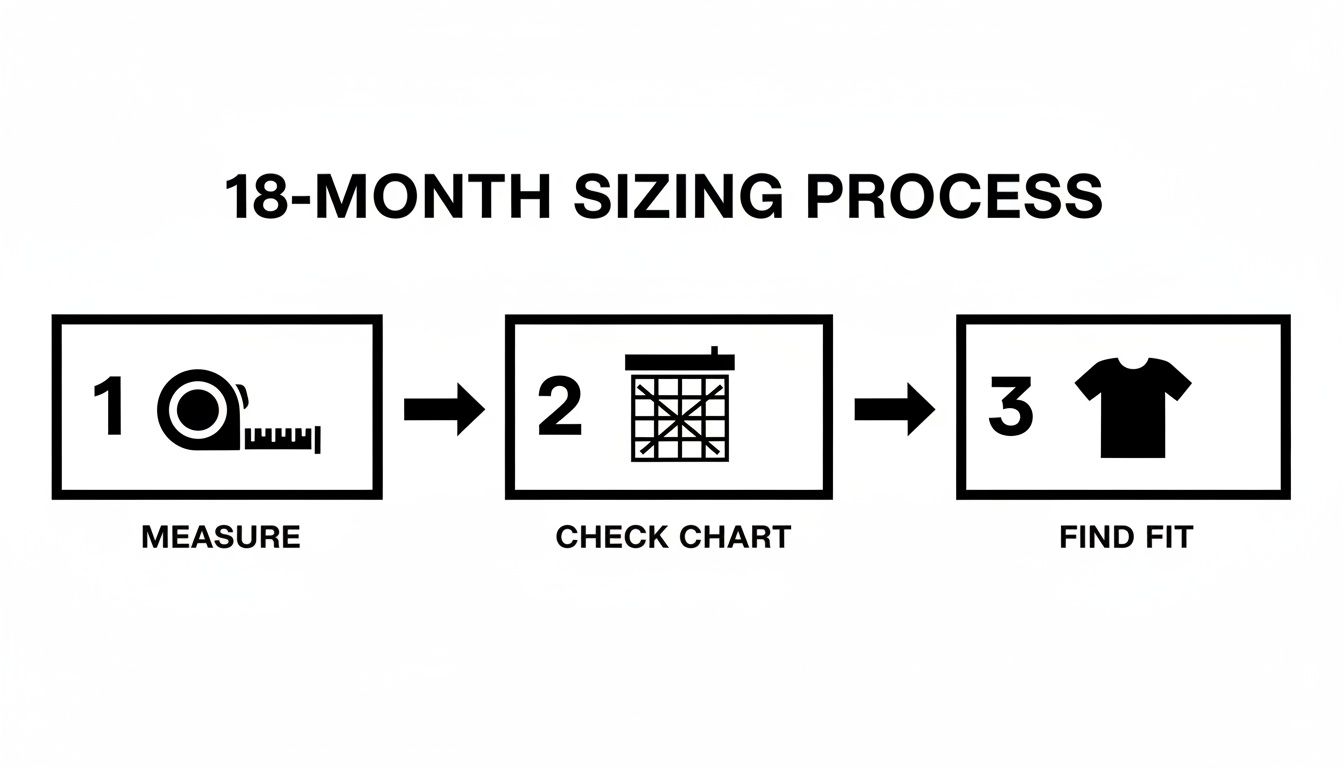
This simple process takes the guesswork out of shopping and helps you choose high-quality garments that fit properly, reducing the risk of skin irritation.
For the most accurate numbers that line up with our 18 month size chart, try to measure your little one when they're just in a diaper or thin underclothes. Bulky clothing can throw off the measurements, and you want to ensure the GuGuTon pieces you choose will fit comfortably over their everyday layers without being restrictive or causing irritation to their sensitive skin.
Key Measurement Steps
Follow these easy instructions to get the five core measurements you'll need for just about any piece of clothing.
- Height: Have your toddler stand tall against a wall (shoeless!). Gently place a book flat on their head, mark the spot where the bottom of the book touches the wall, and then measure from the floor up to your mark.
- Weight: The "weigh-in cuddle" method is easiest. First, weigh yourself. Then, pick up your toddler and step back on the scale. The difference between the two weights is your toddler's weight.
- Chest: Guide the tape measure around the broadest part of their chest, right under the armpits. Make sure the tape is level all the way around—snug, but loose enough that you can slip a finger underneath. A chest measurement that's too tight can lead to chafing and rashes.
- Waist: Find their natural waist, which is usually right around their belly button. Loop the tape measure around this spot for their waist size.
- Inseam: This one is crucial for pants that don't trip them up. Measure from the inside of their crotch straight down to the ankle bone.
Pro Tip: Timing is everything. Try measuring when they're happily distracted by a favorite show or a new toy. You can even turn it into a game, making silly sounds or singing a song to keep them giggling and cooperative. A happy toddler is a still toddler... for a few seconds, anyway
Choosing Safe Fabrics for Sensitive Skin
When you're looking at an 18 month size chart, it’s easy to focus just on getting the right fit. But the actual material of the clothes is just as crucial for preventing rashes, allergies, and skin irritation. A toddler's skin is much thinner and more sensitive than ours, which means it can easily react to rough textures, dyes, or leftover chemicals from manufacturing. Picking the right fabric is a huge part of keeping them comfortable and healthy.
The best materials are almost always breathable, natural ones. Fabrics that let air flow freely help regulate your little one's body temperature, preventing them from getting too hot and sweaty, which is a common cause of heat rash for an active 18-month-old.
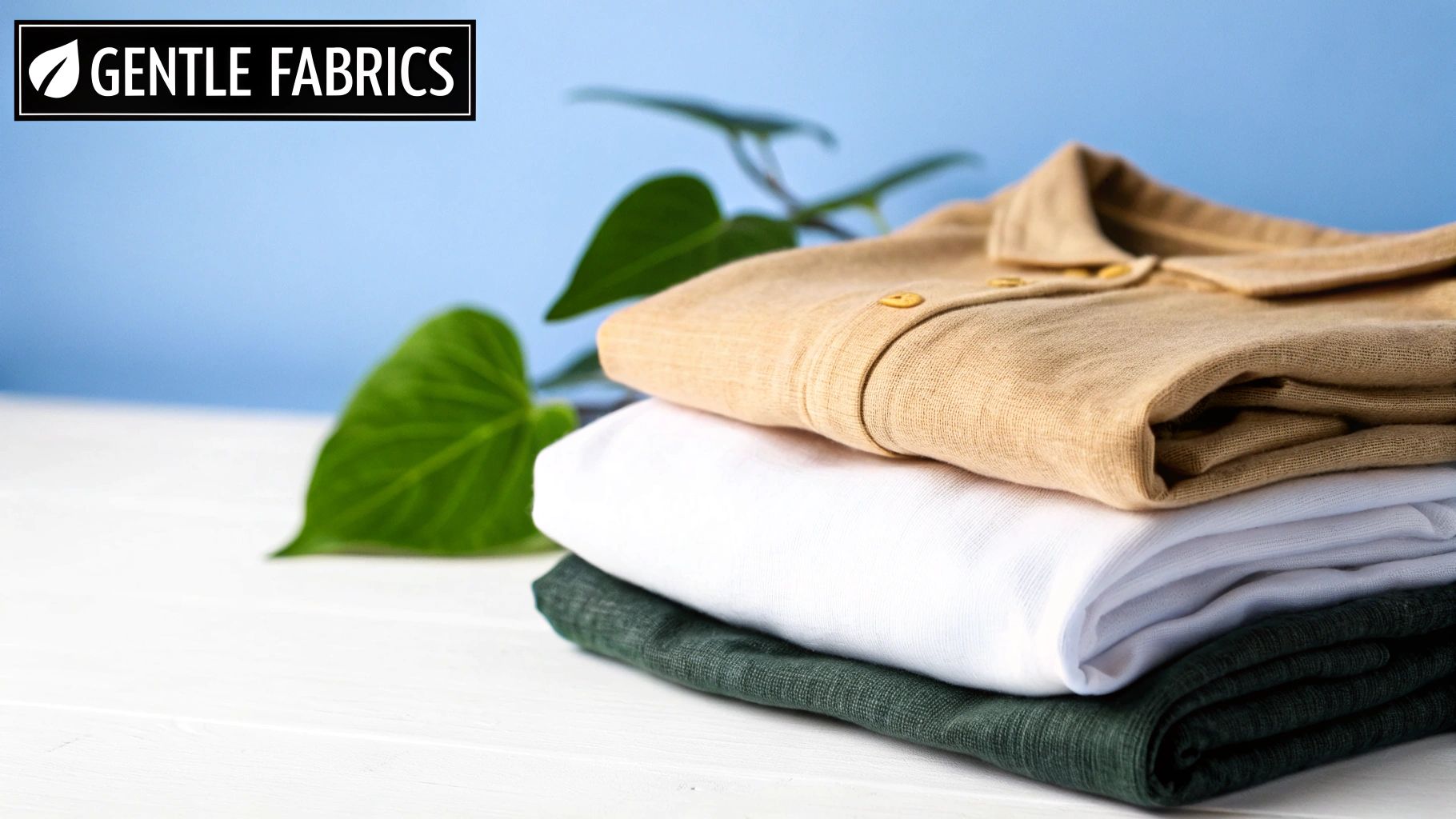
Hypoallergenic materials are also a game-changer. By choosing fabrics that are naturally soft and free from harsh chemicals, you can significantly cut down on the risk of skin flare-ups, allergic reactions, and conditions like eczema.
Best and Worst Fabrics for Toddlers
Once you know what to look for, picking out good fabrics becomes second nature. Here’s a quick rundown of materials that protect your toddler's skin.
- Organic Cotton: This is my top recommendation. Because it’s grown without pesticides and processed without harsh chemicals, it’s incredibly gentle and less likely to trigger allergies. For babies with extra sensitive skin, a pair of Little Planet Baby organic cotton pajamas is a perfect example of a soft, safe, and natural choice.
- Bamboo Rayon: You'll love how incredibly soft and silky bamboo rayon feels. It’s fantastic at wicking moisture away, which keeps your toddler’s skin dry and comfortable, preventing rashes. It's also naturally hypoallergenic and helps regulate temperature.
- Synthetics to Limit: Try to avoid materials like polyester and nylon when you can. They aren't very breathable and tend to trap heat and moisture. This can create a breeding ground for bacteria and easily lead to heat rash, chafing, or general discomfort, especially for little ones with eczema.
Here's a pro-tip I always share with new parents: wash every new piece of clothing before your toddler wears it. It’s a simple step, but it rinses away any leftover dyes, dust, or finishing chemicals from the factory that could irritate their delicate skin and cause an allergic reaction.
Understanding Safety Certifications
For real peace of mind, keep an eye out for safety certifications on clothing tags. The STANDARD 100 by OEKO-TEX® is a globally recognized label that tells you the item has been tested for a long list of harmful substances known to affect health.
When you see that OEKO-TEX® label, it means every single part of the garment—from the fabric and thread to the buttons and zippers—is safe for human health and won't cause skin issues. It’s an extra layer of confidence in the quality and safety of your child's clothing. If you want to learn more, our guide on choosing the right fabric for your baby's sensitive skin has even more detail.
A Guide to Toddler Clothing Fit and Safety
An 18 month size chart is your starting point, but the real test comes when you actually put the clothes on your energetic toddler. Getting the fit right isn't just about comfort—it's a huge part of keeping them safe as they play and explore, and preventing skin problems.
For instance, a onesie that's too snug can be really restrictive and put uncomfortable pressure on their diaper area, trapping moisture and leading to diaper rash. On the flip side, a baggy shirt can easily snag on furniture while they're crawling or toddling around, creating a real safety risk.
Every piece of clothing has a job to do, and the fit should support that. It’s these little details that make all the difference in preventing minor discomforts like rashes and major accidents, giving you one less thing to worry about.
Checking the Fit on Common Garments
When you're trying clothes on your 18-month-old, run through these quick checks to make sure everything is sitting just right for both comfort and safety.
-
Onesies and Bodysuits: The fabric should lay smoothly across your little one's torso without pulling or straining at the snaps in the crotch. A good rule of thumb is to be able to slide two fingers between the material and their chest. Also, check that the leg openings aren't digging into their chubby thighs, which can cause painful chafing and red marks.
-
Sleepers and Pajamas: This is a big one for safety. The U.S. Consumer Product Safety Commission (CPSC) has clear guidelines: sleepwear should either be flame-resistant or fit snugly. A snug fit is always the safest bet because loose fabric is a serious fire hazard. If you're using footed sleepers, make sure there’s a little wiggle room for their toes, but not so much that the fabric bunches up and becomes a tripping hazard.
-
Pants and Leggings: Waistbands need to be just tight enough to stay up on their own but loose enough that they don't leave red marks on your toddler's tummy, which is a sign of restricted circulation and potential irritation. The pants should end right at the ankle. Anything longer is just asking to get caught under their feet, which can easily lead to a tumble.
Critical Safety Details to Inspect
Beyond the overall fit, it’s smart to give every garment a once-over for potential hazards before dressing your toddler. What looks like a cute detail can sometimes pose a risk for curious hands and mouths.
One of the first things I always check for are the embellishments. Any buttons, snaps, or decorative add-ons must be sewn on incredibly securely. If a toddler can pull one off, it immediately becomes a choking hazard.
Also, make it a hard rule to avoid any clothing with drawstrings around the neck or hood—they are a known strangulation risk. Even waist drawstrings can get snagged on playground equipment. For a deeper dive into this, take a look at our guide on common baby clothing mistakes and how to avoid them. Taking a few seconds to inspect their clothes for quality and safety is a simple habit that goes a long way.
Finding the Right 18-Month Shoe Size
Now that your toddler is likely walking (or running!), their little feet need the right support for healthy development. Finding that perfect first pair of shoes is much more than a style choice—it’s about giving them a safe, stable foundation for every new step they take. The right fit is crucial for preventing trips, encouraging natural foot movement, and protecting them from poky things outdoors.
An ill-fitting shoe can lead to blisters, painful sores, and even affect how your child learns to walk. That's why it's just as important to have a reliable shoe measurement as it is to consult an 18-month size chart for clothing. Look for shoes made from breathable materials with a flexible sole and a roomy toe box. This gives their toes space to spread out and grip the ground, which is a huge part of learning to balance.
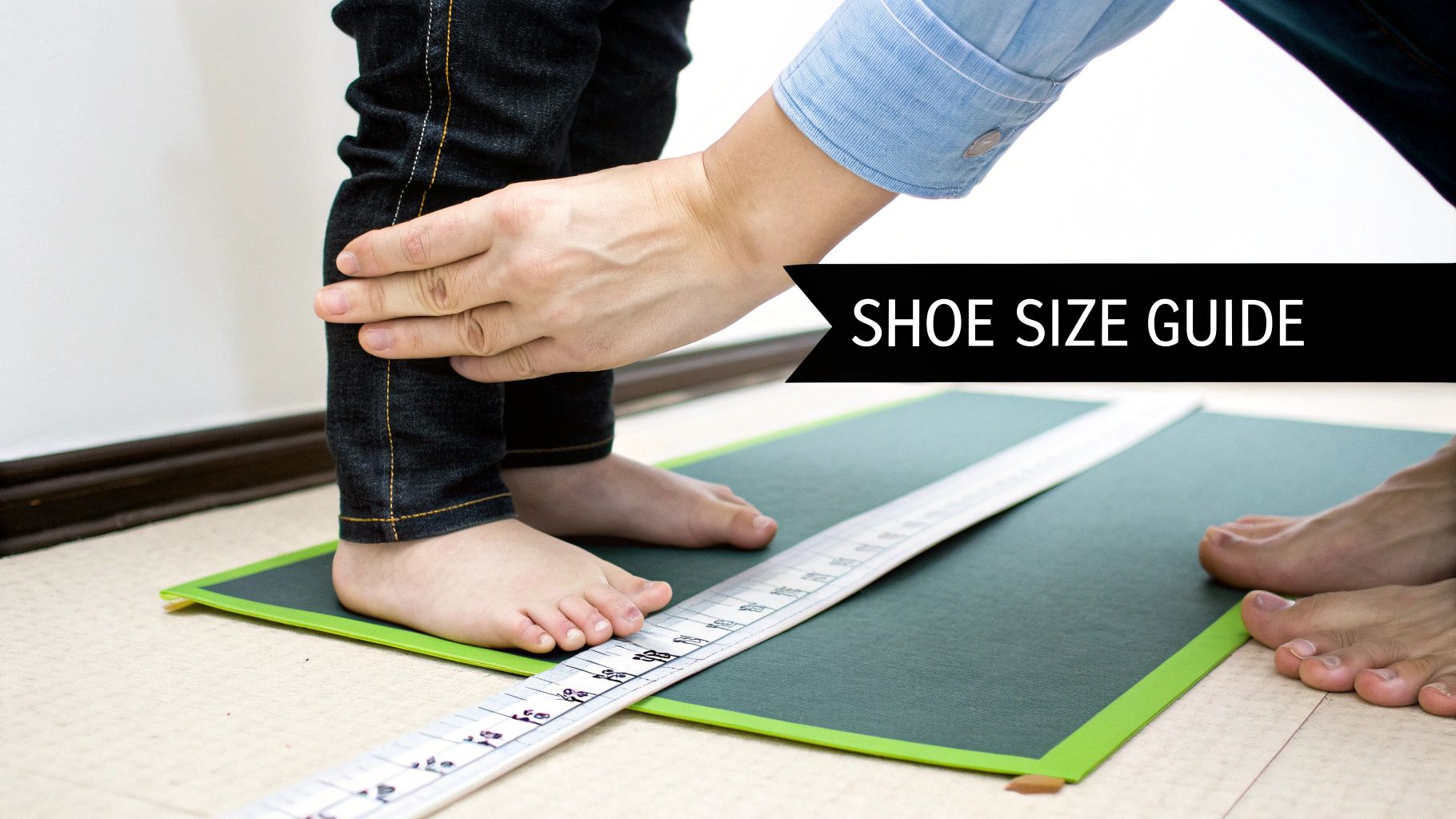
So, what size are we talking about? For an 18-month-old, you’re generally looking at US sizes 4 to 5 (or European sizes 19-20), which typically fit feet measuring between 4.5 and 5 inches long. Considering that 85% of toddlers are walking with confidence by this age, supportive, well-fitting footwear becomes a top priority.
It’s shocking, but studies show that 62% of parents don't realize just how fast those tiny feet grow—about 1.5 inches in the year after their first birthday! This often leads to unknowingly putting kids in shoes that are too tight. A proper fit can actually reduce foot-related injuries by up to 40%.
How to Measure for the Perfect Fit
Getting an accurate foot measurement at home is easier than you think. Just have your toddler stand on a piece of paper, trace around each foot, and then measure the outline from the heel to the tip of their longest toe. Since feet are rarely the exact same size, always use the measurement from the larger foot.
Important Tip: Always, always measure your child’s feet while they are standing up. When they put weight on their feet, they naturally splay out and get a bit longer. Measuring while they’re sitting will almost certainly give you a size that’s too small and could cause discomfort or blisters.
For a more detailed, step-by-step process, be sure to check out our complete guide on how to measure kids' shoe size correctly. It’s the best way to make sure every pair of shoes you get from GuGuTon gives your little explorer the comfort and stability they need for all their big adventures.
Navigating International Sizing Differences
Shopping for your little one from international brands opens up a world of adorable new styles, but it can also get confusing fast. Sizing isn't universal, and what's considered an 18M in the US is completely different from its equivalent in the UK or Europe. Getting a handle on these differences is the secret to avoiding guesswork and the hassle of returns.
The logic behind sizing changes depending on where you're shopping. European sizes, for instance, are often based directly on a child's height in centimeters—a pretty practical system. On the other hand, US and UK sizes are usually tied to age, which we all know can be tricky since every toddler grows at their own unique pace.
As you start exploring global brands, it also helps to understand what true to size means, since this can give you clues about a specific brand's fit beyond just the numbers on the tag.
A Global Sizing Comparison
To make your international shopping a little easier, we've put together a straightforward conversion chart. Think of this as your starting point for translating a US 18-month size into its common international counterparts.
Just a quick tip: A good fit is about more than just looks—it’s about safety. Pants that are too long can be a tripping hazard, while clothes that are too tight can restrict movement and irritate your toddler’s sensitive skin, potentially leading to rashes.
Here's a handy table to help you convert sizes when you're shopping for brands like GuGuTon from across the globe.
International 18-Month Clothing Size Conversion Chart
| US Size | UK Size | European Size | Australian Size |
|---|---|---|---|
| 18M | 12-18 mos | 80-86 | 1 |
Use this chart as a quick reference to make sure every outfit you pick is not only cute but also comfortable and safe for your little explorer.
Your Sizing Questions, Answered
Let's face it, figuring out toddler sizes can feel like a guessing game. You want your little one to be comfortable and safe, but they grow so fast! Here are some straightforward answers to the questions we hear most often from parents just like you.
To Size Up or Not to Size Up?
It’s the age-old question: should you buy a bigger size so it lasts longer? While it seems practical, sizing up isn't always the best or safest option.
Loose clothing can be a real hazard for a busy toddler. For sleepwear, in particular, a snug fit is a must for fire safety reasons. During the day, pants that are too long can easily cause trips and falls, which is especially risky for little ones just finding their feet. Excess fabric can also bunch up and cause chafing.
So, when is it okay? For casual items like t-shirts or roomy dresses, going up one size is usually fine. But for anything that could get tangled, like sleepers, or cause a stumble, like pants and shoes, it's always smartest to stick with their current, proper size for maximum safety.
18M vs. 2T: What's the Real Difference?
This is a big point of confusion, but the distinction is actually pretty simple once you know what to look for. It's all about body shape.
- 18M & 24M Sizes: These are cut for a classic baby build. Think shorter, wider proportions with plenty of room in the seat to accommodate a diaper. The wider cut helps prevent rubbing that can lead to diaper rash.
- 2T Sizes: The "T" stands for "Toddler." This size marks a shift to a more streamlined fit for little ones who are walking, running, and often starting to potty train. The cut is typically longer and slimmer than its "M" counterparts.
Essentially, once your little one starts looking less like a round baby and more like a lean, active toddler, it's probably time to make the switch to "T" sizes.
How Often Should I Measure My Toddler?
Toddlers are famous for their sudden growth spurts! One day their pants fit, and the next they’re halfway up their shins.
For clothing, a good rule of thumb is to measure their height and weight every 2-3 months. Their feet, however, grow at lightning speed. You'll want to check their shoe fit every single month. A quick way to do this is to press your thumb at the toe of their shoe—you're looking for about a half-inch of wiggle room. This prevents blisters and ensures their foot development isn't restricted.
At GuGuTon, we're here to make every stage a little easier with high-quality, comfortable, and safe apparel. We design our clothes to move with your toddler through every hop, skip, and growth spurt. Explore our collection of thoughtfully designed clothing today.